Juvenile Courts In Ogden, Utah
KAUFMAN | NICHOLS | KAUFMAN
ATTORNEYS AT LAW
Juvenile Court
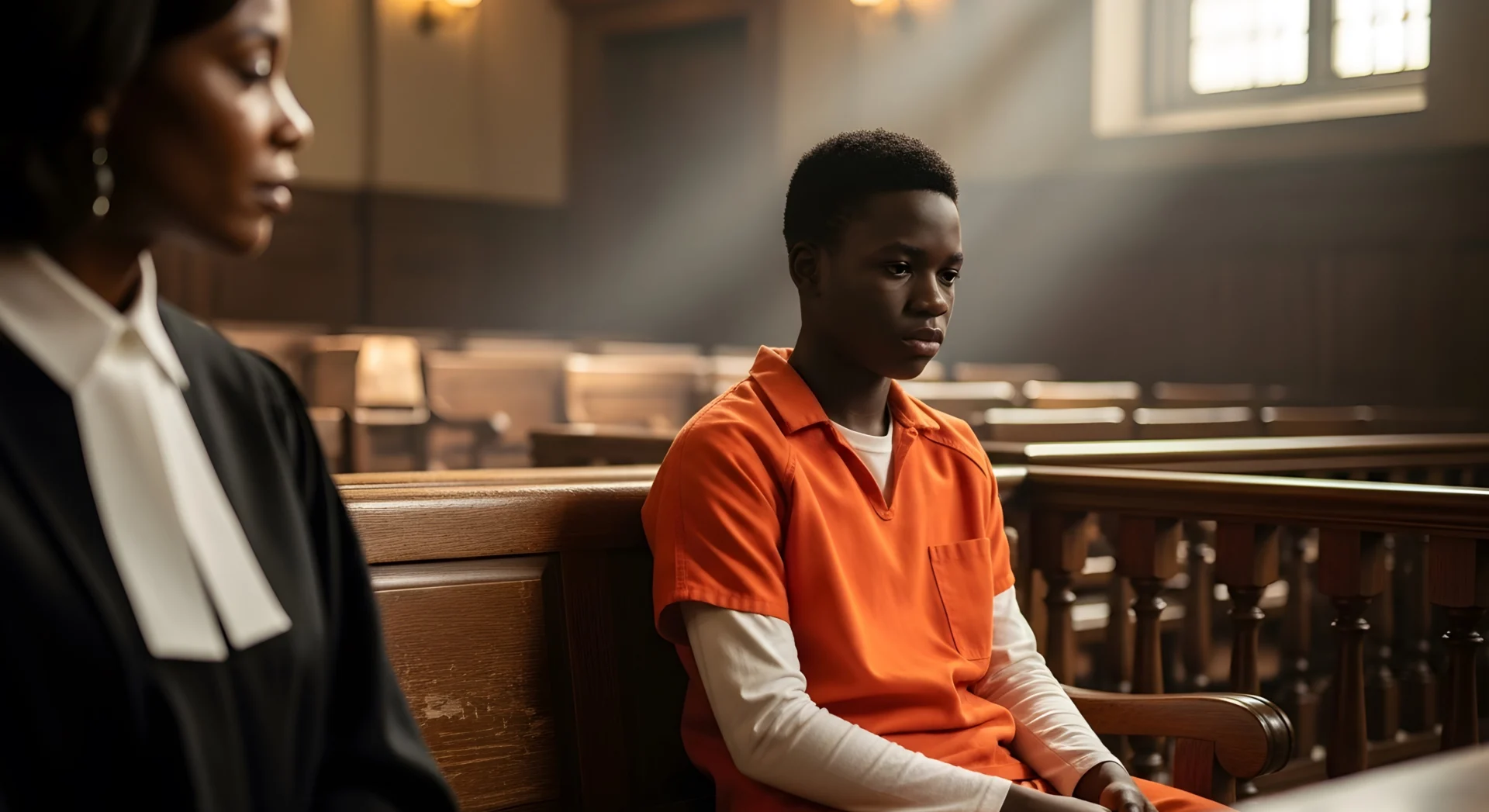
Minors and children who commit crimes will be treated differently from adults in the justice system. Juvenile courts often prioritize rehabilitation and probation techniques to provide guidance for minors instead of tossing them in a jail cell with adults. For lower-level offences, juvenile court and processing techniques will be used for those under 18; however, more serious crimes could lead to a minor being tried and sentenced as an adult.
Understanding juvenile court can be important for parents or guardians whose minor may have gotten in trouble with the law and is facing criminal charges. Understanding juvenile cases and the rights juveniles have can help the case have a better resolution. Our legal team can help give all parties peace of mind and hope for the future, no matter what crime your minor is accused of. Learn more about how KNK can help your family during juvenile criminal cases.
Request a Consultation Today!
The Difference Between Adult And Juvenile Court
Each court system will have different rules and procedures to deal with a variety of cases. Juveniles are treated differently because they are typically considered less blameworthy or commit less severe crimes. Some common differences between adult and juvenile courts include:
- Juveniles don’t face a jury trial
- Juveniles do not have the right to bail
- Adult court focuses on penal punishment, but juvenile court prioritizes rehabilitation
- Juvenile courts consider school records, past offenses, and family, while adult courts look at the evidence of the case
- A judge will provide a ruling for juvenile trials instead of a jury

Testimonials


Common Juvenile Cases
Most juvenile cases fall under 3 common types. Most of the crimes that minors commit are lower-level crimes that don’t result in bodily harm, death, or a risk to the community. This is why juveniles are processed, interviewed, and sentenced differently from adults. Read more about the three common types of juvenile cases listed below.
Delinquency
Theft, vandalism, gang-related violence, and drug offenses fall under delinquency. These cases can be solved by assigning community service, fines, assigning probation, or commitment to a juvenile detention center for more extreme cases.
Status Offenses
These offenses are only considered offenses because of the juvenile’s age. These cases include truancy, curfew violations, or running away from home. These are not necessarily considered crimes for an adult; it is based only on current status and age.
Traffic Or Game Violations
Reckless driving, breaking liquor laws, or improper possession of weapons are classified under traffic and game violations. Violating fish and game laws can also result in a juvenile court case before a judge.
The Juvenile Court Process
In Utah, all of these juvenile cases follow a similar format as they go through the legal system. Each step has an important purpose and is needed to keep juveniles safe and protected.
The first step is intake, which involves a probation officer reviewing the police report to decide how the case can be handled. Probate officers will decide if it can be handled “non-judicially” (without a judge) or if a petition needs to be filed.
Next is the arraignment, where a minor appears before a judge, where they are informed of their rights and what they are being charged with.
An adjudication hearing is the next step, which acts as a kind of “trial” similar to adult cases. The state then has to prove that the minor committed the act, “beyond a reasonable doubt.”
The final step is disposition, where, if the allegations are true, the judge then presents a plan for rehabilitation, counseling, restitution, or community service.
KAUFMAN | NICHOLS | KAUFMAN
ATTORNEYS AT LAW

When Juveniles Might Be Prosecuted As Adults
Serious crimes will often result in juveniles being tried as adults and recieve the same consequences as an adult who was convicted of the same crime. Depending on the jurisdiction, specific offenses will never require juveniles to be tried as adults. Some common reasons a juvenile could face adult consequences include:
- Violent felonies like homicide, sexual assault, and armed robbery
- The juveniles are closer to adult age (16-17)
- A juvenile has a prior criminal record
- A firearm was present, or a dangerous weapon was used in the crime
Putting a minor through the adult court system is not helpful or recommended. Serious crimes are often the biggest reason for a juvenile to be tried as an adult, when other crimes or first offenses could benefit from other programs, rather than jail time.
Seeking Representation For Juvenile Cases
Even for less severe cases, legal representation should always be considered. Attorneys can ensure that a minor’s rights are protected and may be able to help minimize long-term consequences. A lawyer can work with the prosecutors or judge to suggest programs and rehabilitation over a juvenile detention center.
Depending on the type of crime a juvenile is charged with, specialized attorneys may be able to help them avoid being tried as an adult and going before a jury. Some more serious crimes will result in unavoidable consequences, but hiring an attorney promptly could help reduce the sentencing or keep it off the juvenile’s record. Hiring the right lawyer is also important if you truly want a quality outcome. Make sure that the team you hire has experience working with criminal cases and juvenile cases.
Working With KNK Law
Kaufman, Nichols, and Kaufman have been working on criminal cases for many years, helping residents in Ogden feel better peace of mind no matter what they are facing. Our attorneys have a variety of skills and knowledge about criminal cases that are common among Utah residents. Our legal team is dedicated to helping you better understand your case, get the best resolution for your case, and walk with you through every step of the process. We have helped thousands of Utah families find stability, peace, and fairness in a variety of situations. Protect your children, assets, and your future by hiring KNK Law.
Will a juvenile record be automatically erased when the minor turns 18?
Contrary to popular belief, juvenile records are not always automatically expunged or erased once a person reaches adulthood. While the court system prioritizes rehabilitation, the record of the offense may still exist and could potentially be seen by employers, schools, or the military. Depending on the jurisdiction and the severity of the offense, a formal petition for expungement may need to be filed with the court to have the record sealed.
Can a parent or guardian be held financially or legally responsible for a minor’s crimes?
Yes. While the minor faces the direct legal consequences in juvenile court, many jurisdictions have parental responsibility laws. These laws can hold parents or guardians liable for financial restitution (paying for damages caused by the minor) or court fees. In some cases, if a parent is found to have willfully neglected their supervision duties, they may face separate legal “contributing to the delinquency of a minor” charges.
What is the difference between “probation” and “diversion” in the juvenile system?
While the text mentions probation, many first-time or low-level offenders may qualify for diversion programs. Unlike probation, which occurs after a judge has made a formal ruling (adjudication), a diversion program allows the minor to complete specific requirements—such as counseling or community service—before a formal record is even created. If the minor successfully completes the program, the charges are typically dropped entirely, allowing them to avoid the court system altogether.