

Will and Testament Lawyers In Ogden, Utah
KAUFMAN | NICHOLS | KAUFMAN
ATTORNEYS AT LAW
Wills
Planning for your death or the end of your life may seem morbid or unnecessary, but developing a will early on will save family members or spouses from making these complex decisions. A will is a document that gives direction on how to proceed with property, children, and other decisions that you can not make after your death. Your wishes for how to handle your affairs need to be clear and on record if you want them to be honored correctly. Without a will, your loved ones and property may be subject to chaos or simply tossed to the wayside.
At Kaufman, Nichols, and Kaufman, we can help you navigate this and other legal documents. Crafting a will can be daunting, but working with a lawyer will bring peace of mind and help you feel educated about this essential process.
Request a Consultation Today!
What Is Included In A Will?
Including all the important elements in your will is the only way for everything to be followed after your passing. Including personal information, executor appointment, asset distribution, and instructions for digital and personal property should all be placed in your will. Clear written declarations are important to make your wishes legally binding.
You should also understand what is not included in a will to avoid unnecessary work. Assets that are managed in a living trust should not be placed in a will. Joint property and named beneficiary accounts will also not be included in your will. A legal professional will be able to help guide you through what assets should be placed in your will, what may be better off in a trust, or what assets may not need to be listed.

Testimonials


Common Terms You Should Know
There is a lot of legal jargon and terms that come with establishing a will. It may be hard to understand all the different terms as you are in the trenches of crafting your will. Here are some common terms that come with writing and signing a will.
- Beneficiary: The beneficiary or beneficiaries in your will are people you choose to inherit property, money, or assets from your estate. Beneficiaries can be family members, friends, or your children, depending on who you want to have the belongings you have cherished for your whole life.
- Payable On Death (POD) Account: A bank account that designates one of your beneficiaries to recieve funds upon your death. This bypasses the probate process and allows you to maintain full control of the finances while you are alive.
- Probate: This process occurs after the holder has died, making sure that the will is valid in court and assets are distributed accordingly. An executor, the person who helps distribute your assets, will need to initiate probate by filing the will with the court. Probate is a complex process that a lawyer can help you navigate.
- Transfer On Death (TOD) Account: This allows owners to transfer real estate, vehicles, or financial accounts directly to a beneficiary. This helps you bypass the probate process while giving you control over the money and assets while you are still living.
- Trust: A trust is another document that is typically completed in conjunction with a will. This legal arrangement has a grantor or settlor who transfers the ownership of assets to a trustee to manage for a beneficiary. This contract helps control how assets are managed during the lifetime as well as after death.
How To Avoid Probate
One of the biggest questions that legal teams get consistently is whether they can avoid the probate process. Setting up the right documents and types of trust can help you skip the probate process. Creating a revocable living trust, designating the right beneficiaries, and setting up a POD/TOD will ensure that assets are transferred correctly, without the help of the court system.
Setting up a pay-on-death account for existing bank accounts, and a transfer-on-death account for investments and brokerage accounts that will be passed on to the beneficiary directly. Passing the assets on directly will negate the need for court involvement, saving time and resources for everyone.
KAUFMAN | NICHOLS | KAUFMAN
ATTORNEYS AT LAW
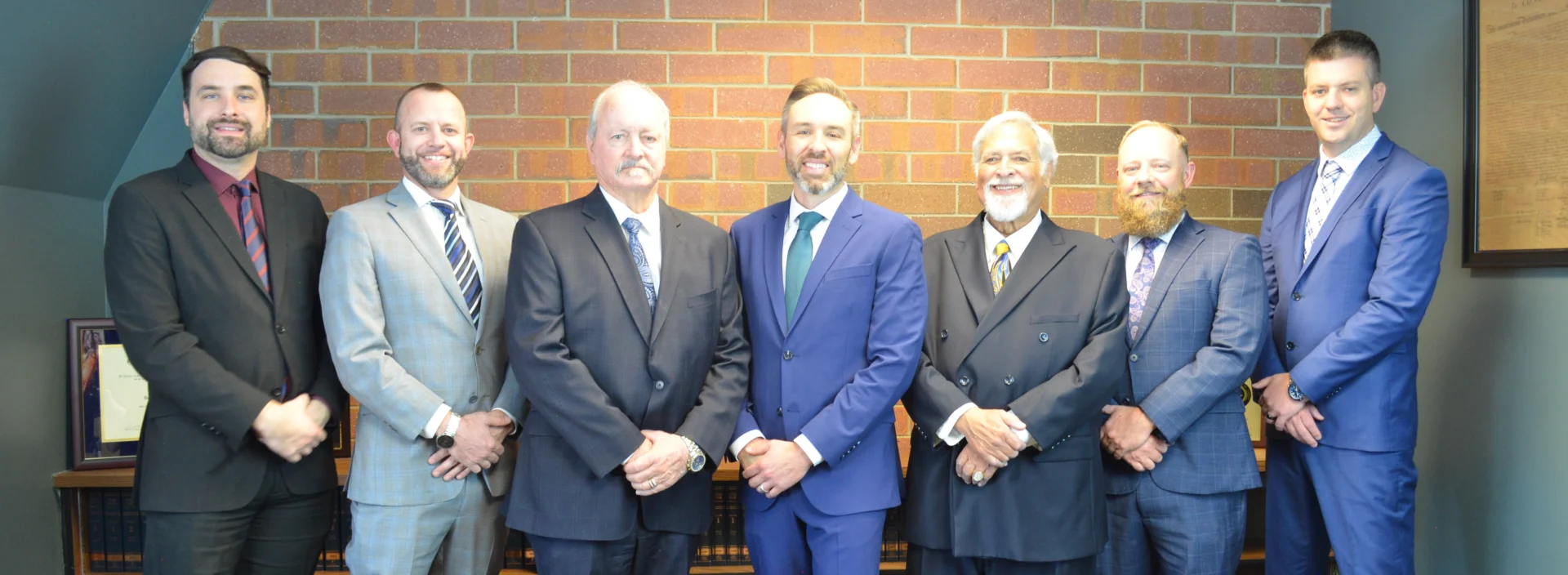
Getting Sound Legal Advice From KNK Law
When your future and family are on the line, finding the right legal team can make all the difference. KNK Law understands the intricacies of divorce, custody battles, wills, and estate planning. We know that these life-changing moments can be filled with heavy emotions and uncertainty. Hiring a competent attorney can bring you peace of mind during these difficult times. We know how emotional and complex legal cases can be, even if you are just setting up a will for the end of your life. Let us take some of the stress off your shoulders with our comprehensive industry knowledge.
Our attorneys bring a deep understanding of the Utah legal system and different cases to help you get the best outcome possible. Our team serves Weber, Davis, and Box Elder counties to help represent the people in our community. Each attorney will treat your case with sensitivity and determination, no matter the situation and complexity. Reach out to us to help you with your end-of-life wishes or your estate.
At what age or life stage should I start drafting a will?
In Utah, you must be at least 18 years old and of “sound mind” to create a legally binding will. While young adults may feel they don’t have enough assets to warrant one, a will is crucial the moment you have minor children (to appoint guardians) or own any real estate. Waiting until “end-of-life” is a common mistake; it is best to have one as soon as you have people or property you wish to protect.
Can I change or revoke my will after it has been signed?
Absolutely. As long as you are mentally competent, you can change your will at any time. You can do this by:
A Codicil: A legal supplement used for minor changes (like adding one new beneficiary).
A New Will: For major changes, it is often cleaner to write a new will that explicitly states it “revokes all prior wills and codicils.”
Physical Act: Physically destroying the old document (tearing or burning it) with the intent to revoke it also works, though doing so without a replacement can leave you “intestate” (dying without a will).
What happens if I move to a different state after my will is written?
Most states, including Utah, recognize a will as valid if it was legally executed in the state where you lived at the time. However, moving can create “friction.” Different states have different rules regarding out-of-state executors, marital property rights, and witness requirements. It is highly recommended to have a local attorney review your documents whenever you move across state lines to ensure the probate process remains as simple as possible for your family.
Who should I choose to be my “Executor”?
Choosing an executor is a significant decision. This person is responsible for navigating the court system, paying your final debts, and distributing your property.
Qualities to look for: Look for someone who is financially responsible, organized, and—most importantly—likely to outlive you.
Options: Many people choose a spouse or adult child, but you can also appoint a professional executor (like a bank or a professional fiduciary) if your estate is complex or if you worry about family conflict. You should always name an alternate executor in case your first choice is unable to serve.