

Probate Lawyers In Ogden, Utah
KAUFMAN | NICHOLS | KAUFMAN
ATTORNEYS AT LAW
Probate
In the thick of estate planning, you will hear a variety of terms, including living will, trust, and probate. Probate is a legal process that happens once a person is deceased, and their will must be validated by the court to ensure that the assets are distributed accordingly. The executor of the will must start the probate process within a specific time period. Executors (also known as Personal Representatives) work with the court to locate the decedent’s property and determine their value.
While setting up an estate and will can be overwhelming, it is essential if you want your belongings to be kept safe and distributed correctly. Working with Kaufman, Nichols, and Kaufman can help you develop a sound estate plan and eliminate excess stress as family members navigate the grief of losing you. Our legal team is dedicated to helping you create a reliable and compact estate plan, no matter your age or background. We know that legal issues and documents can be confusing, so sitting down with a lawyer can help cover any missing pieces and bring peace of mind.
Let’s explore more about what probate is and how the process unfolds below.
Request a Consultation Today!
How Does Probate Work?
The process of probate can depend on a few factors, especially whether you have an established will. Working with a legal expert can help you navigate the complexities of documents, choosing an executor, and avoiding missed property. Here is how the process differs depending on whether you have a will or not.
Probate With A Will
Establishing a will before you die will help shorten the length of probate for your family and executor. The probate court will look over the will and confirm its legitimacy, and then authorize the executor to carry out their duties and pay any debts.
Probate Without A Will
Someone who dies without a will must have the court determine how their assets are distributed. If a will is seen as invalid, the court will also take this responsibility. The probate court will choose an administrator and directs them on how to handle your assets. This means that your family or loved ones won’t have control over your property or belongings, even though the state will try to distribute them to living relatives first. If you don’t have living relatives, the state will take ownership of your assets.
The Probate Process And Timeline
Probate can last anywhere from a few months to more than a year, but it can vary depending on whether your will is contested or not, and whether all of the heirs agree on who should be appointed as your executor. Probate will obviously take longer if there is no will, if the parties disagree on who the executor should be, or if the estate involves complex assets. The timeline can also be extended if the person owes federal or state estate taxes, which are based on the price of the estate at the time of the person’s death.
Even the shortest probate process will feel long to surviving family and loved ones. Choosing a good executor can speed up the process if they communicate with the court promptly, keep detailed records, and pay the deceased’s taxes on time. Most estates will need to go through probate; the timeline may just be shortened or lengthened depending on the deceased’s planning before death.
Avoiding Probate
For those who want to avoid probate, some actions may be able to help or speed up the process. The first thing to do is establish joint ownership of real estate or bank accounts, which means that assets will easily transfer to the surviving owner with no need for probate.
Designating a transfer-on-death or payable-on-death beneficiary is another way to avoid probate. Some states will allow you to deed certain assets to a specified beneficiary. You may also be able to have a beneficiary inherit your banking accounts, which is referred to as a payable-on-death bank account.
Naming a beneficiary for different accounts and assets is the best way to avoid a long probate process. This will ensure that everything transfers smoothly after you die and the beneficiary doesn’t have to jump through hoops to get what you left for them. Working with a skilled estate lawyer to develop your plan is the best way to ensure that your family avoids a long probate process and that your assets are fully protected.

Testimonials


Setting Up A Living Trust
A living trust is a legal document that allows you to transfer assets. This document will list beneficiaries and what assets they are to receive. The trustee is the one who manages the distribution, making sure that all assets are distributed according to your wishes. A living trust will allow loved ones to skip probate and get the belongings you left for them. For assets not put in your trust, you will also need a will to help determine who those assets belong to. If you only have a living trust, assets left out of this document could end up being owned by the state.
KAUFMAN | NICHOLS | KAUFMAN
ATTORNEYS AT LAW
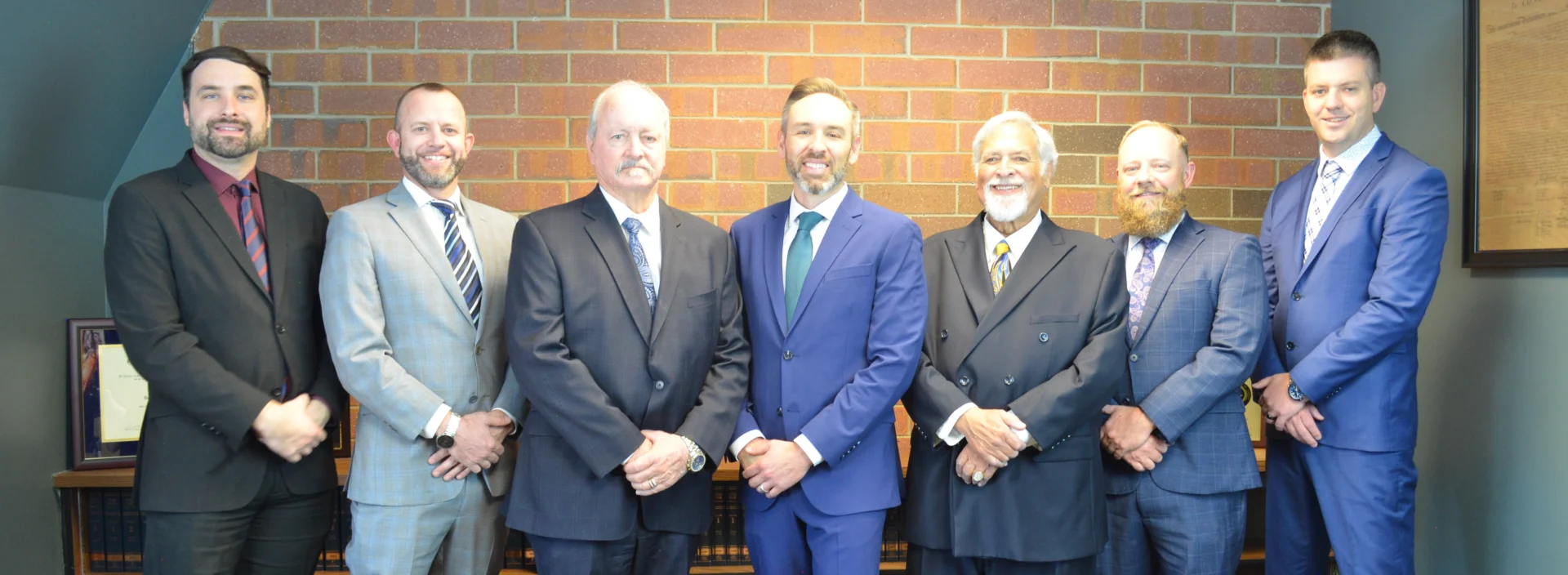
Estate Guidance From KNK Law
Kaufman, Nichols, and Kaufman offer a variety of estate planning services to ensure that you and your families are set up for success. Although most of us think of wills and trusts when it comes to estate planning, it involves much more than that if you want to help alleviate some of the stress for your family at a difficult time. Attorneys at our firm will help you better understand all of your options, allowing you to make better and more impactful decisions. Our team can also provide help for estate disputes if you are a family member or loved one navigating the complexities of an estate and grief.
If you have yet to develop an estate plan or it has been many years since it was reviewed, we would be honored to help you create an efficient plan and offer sound advice. Each lawyer on our team has the expertise and knowledge needed to help you achieve a sound will, living trust, or payable-on-death account. Our legal team has been serving Northern Utah for many years and is proud to help anyone during the probate, estate planning, or will and trust development process. Reach out to us to get started today!
Who is responsible for paying the funeral expenses and outstanding debts during probate?
While the executor or administrator manages the process, these costs are typically paid out of the estate’s assets, not the executor’s personal pocket. Funeral expenses are generally given priority and are reimbursed or paid first, followed by valid creditor claims and taxes, before any remaining assets are distributed to the beneficiaries.
Can a family member contest a will even if it seems valid?
Yes. While the text mentions that a contested will can extend the timeline, it’s important to know that legal grounds for contesting include claims of undue influence, lack of mental capacity at the time the will was signed, or fraud. Having a professionally drafted estate plan from a firm like KNK Law significantly reduces the risk of a successful challenge.
Does all property have to go through probate if it wasn’t placed in a trust?
Not necessarily. In addition to joint ownership and “transfer-on-death” designations mentioned in the text, many states have a “small estate” threshold. If the total value of the assets subject to probate is below a certain dollar amount, your heirs may be able to use a simplified process or an affidavit to collect the property without a full, formal court proceeding.